
Running an online store in 2025 is both exciting and competitive. With e-commerce sales expected to cross trillions globally, the opportunities are massive—but so is the competition. Simply having a website and listing products is no longer enough. To truly stand out and attract buyers, you need a strong digital marketing strategy.
If you’re wondering how to grow your e-commerce business, digital marketing is the key. The right mix of SEO, social media, paid ads, email campaigns, and conversion-focused design can help you reach more people and turn visitors into loyal customers.
Why Digital Marketing is Essential to Grow Your E-Commerce Business
Consumers no longer shop the way they used to. Today, they research products online, read reviews, compare prices, and often discover brands through social media before making a purchase. Without a proper digital marketing strategy, even high-quality products can get lost in the noise.
Smart digital marketing helps you:
- Increase visibility in search results
- Attract the right audience
- Build trust and credibility
- Improve conversions and customer retention
This is why learning how to grow your e-commerce business with digital marketing is not optional—it’s a necessity.
1. SEO Strategies to Grow Your E-Commerce Business
Search Engine Optimization (SEO) remains one of the best ways to bring consistent, high-quality traffic to your store. Unlike ads, SEO builds long-term visibility.
Key SEO tips for online stores:
- Optimize product pages with relevant keywords.
- Create category pages that target broader search terms.
- Add descriptive alt text to images.
- Avoid duplicate content and thin product descriptions.
Strong SEO makes sure your store is found by people who are actively looking to buy.
2. Social Media Marketing for Online Stores
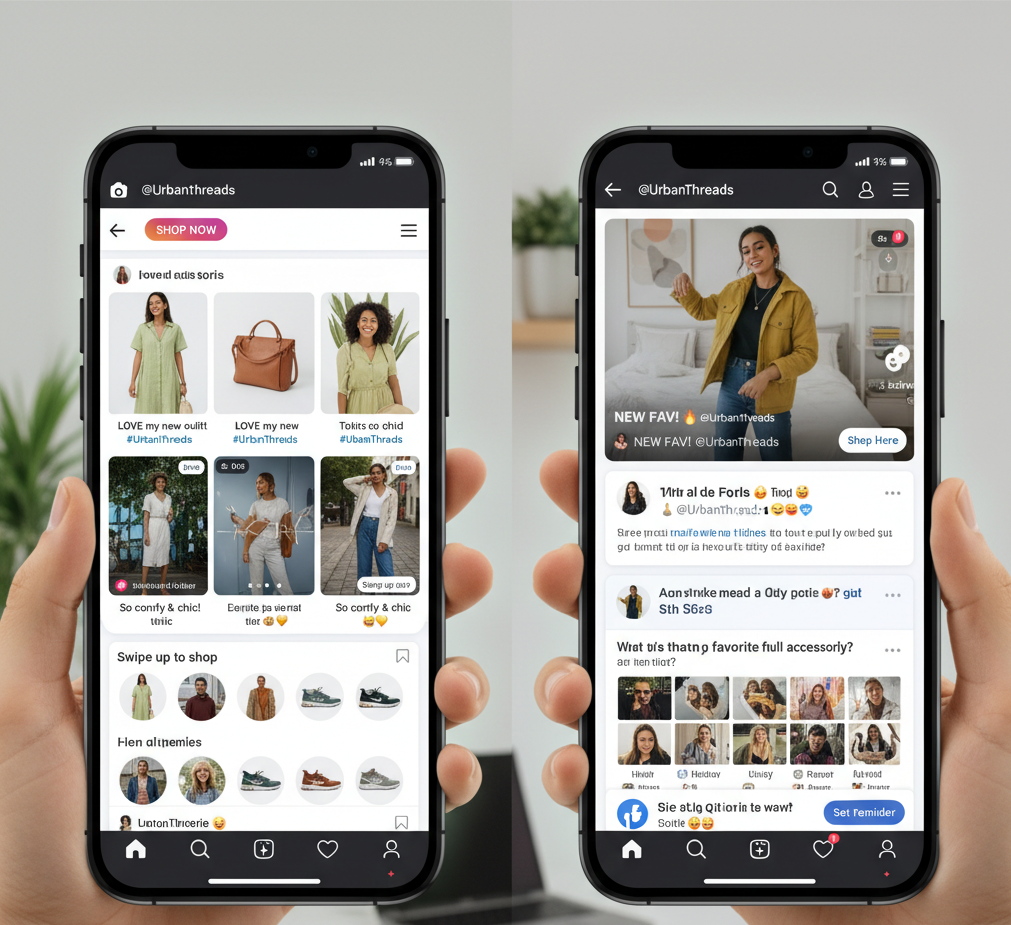
Social media platforms have become powerful sales channels. Instagram, TikTok, and Facebook not only drive awareness but also enable direct shopping experiences.
Smart moves include:
- Using Instagram Shopping and Facebook Shops.
- Posting engaging short videos and product reels.
- Partnering with influencers to reach wider audiences.
- Building a community with interactive posts and customer stories.
When done well, social media adds personality to your brand and keeps customers engaged.
3. Paid Advertising to grow E-Commerce Sales
If you want faster results, paid ads are essential. Google Ads, Facebook Ads, and TikTok Ads allow precise targeting to reach ready-to-buy audiences.
Pro Tip: Retargeting ads are extremely effective. If someone visits your store but doesn’t buy, show them the exact product they viewed, with a discount or free shipping incentive.
4. Email Marketing for Retention and Growth
Email marketing is one of the highest ROI digital strategies. It helps build long-term relationships, recover abandoned carts, and encourage repeat sales.
Effective campaigns include:
- Abandoned cart reminders.
- Personalized product suggestions.
- Loyalty rewards and exclusive offers.
- Seasonal promotions or product launches.
With email, you own your audience—no algorithm changes can take it away.
5. Content Marketing to Build Trust
Content positions your e-commerce brand as an expert and builds trust with potential buyers.
Ideas for content marketing:
- Buying guides (e.g., “How to choose the right laptop for students”).
- Product comparison blogs and videos.
- Tutorials that show your product in action.
- Customer testimonials and case studies.
Great content educates shoppers, answers questions, and moves them closer to making a purchase.
6. Conversion Optimization for Online Stores
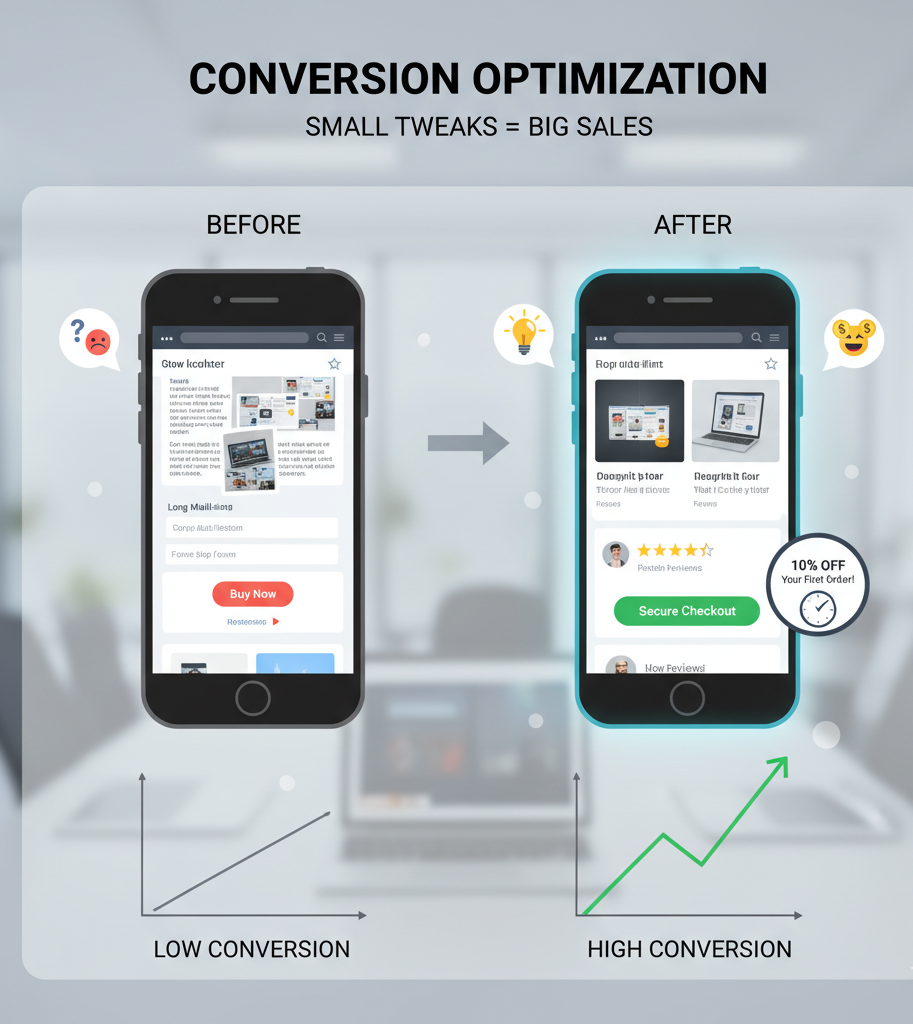
Traffic is important, but sales are what count. If your website doesn’t convert, growth becomes difficult.
Conversion boosters include:
- Fast loading times and mobile-friendly design.
- Clear product descriptions and customer reviews.
- Simple checkout process with secure payment options.
- Popups offering discounts to hesitant visitors.
Small tweaks can make a big difference in sales.
7. Local SEO for Targeted Markets
If your store serves specific locations, ignoring local SEO means missing out on potential buyers.
Steps to improve local SEO:
- Optimize your Google Business Profile.
- Use location-based keywords.
- Collect reviews from happy customers.
This makes it easier for local customers to find and trust your store.
Final Thoughts
The e-commerce landscape in 2025 is highly competitive, but with the right digital marketing strategies, growth is within reach. From SEO and social media to paid ads, content, and email campaigns, every channel plays a role in helping you grow your e-commerce business.
The key is to stay consistent, adapt to trends, and always focus on creating value for your customers.
If you’re ready to take the next step and grow your e-commerce business with proven digital marketing strategies, let’s connect.
At UpNest Digital, we help online brands scale smarter, reach more buyers, and increase sales.
Contact us today to get started.